
Selecting a therapist for postpartum depression, adult ADHD or other issues related to perinatal mental health can be anxiety-provoking, especially if this is your first time seeing a therapist.
It can be helpful to ask people you know if they have recommendations for a therapist. But it is also important to have the opportunity to speak to the prospective therapist first to see if you feel comfortable with them.
I offer free 30-minute phone or video consultation appointments to see if we are a good fit. You can schedule here or send me email to schedule.
If you are struggling with symptoms of depression and/or anxiety related to pregnancy or postpartum, trying to get pregnant, have experienced pregnancy loss, birth trauma, or post birth trauma, you are in at the right place. My other specialities are adult ADHD, depression/anxiety not related to childbirth, body image, disordered eating, and major life transitions.
But you might also want to know what therapy can look like if you are working with me.
I believe the therapeutic relationship is the key to healing and positive change. I feel it is important that we meet once a week for the first 4 sessions to have the opportunity to create a therapeutic connection.
In my nearly 20 years of practice, I have seen that the more solid the therapeutic relationship my clients and I have, the greater ease they have in working through their specific challenges.
My style of counseling is compassionate, trauma-informed, and conversational.
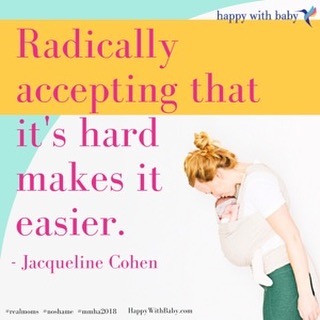
I practice the belief that to process whatever you are struggling with, the practice of self-compassion is the foundation of how you can become more resilient. All things related to motherhood, fatherhood, and parenting are hard. Living with ADHD is hard. Being in a relationship is hard. And a change of any kind, especially major life transitions, is hard.
Being human means pain is inevitable. But you don’t have to suffer.
Dr. Kristen Neff’s research on self-compassion shows that with her 3 step practice (this is really what I love about it – there are instructions), you can draw strength from within yourself and move through that place of pain.
So, the more connected you are to yourself, the more connected you can become to others.
And we as human beings, are wired for connection.
Our culture focuses on the importance of independence. And yes, becoming autonomous, and taking agency for yourself and your actions are important. But not at the expense of disconnection. You don’t have to live independent relationally of others. It isn’t about independence versus dependence. It is really about interdependence.
While I am working with you, allowing non-judgemental space for you to share your story, I will guide you through the process of self-compassion. Laying the foundation for you to observe, acknowledge, and build on your strengths, radically accept your humanness, and live your life authentically.